Subsea-Terrestrial Integration for Singapore’s Digital Growth and Regional Connectivity

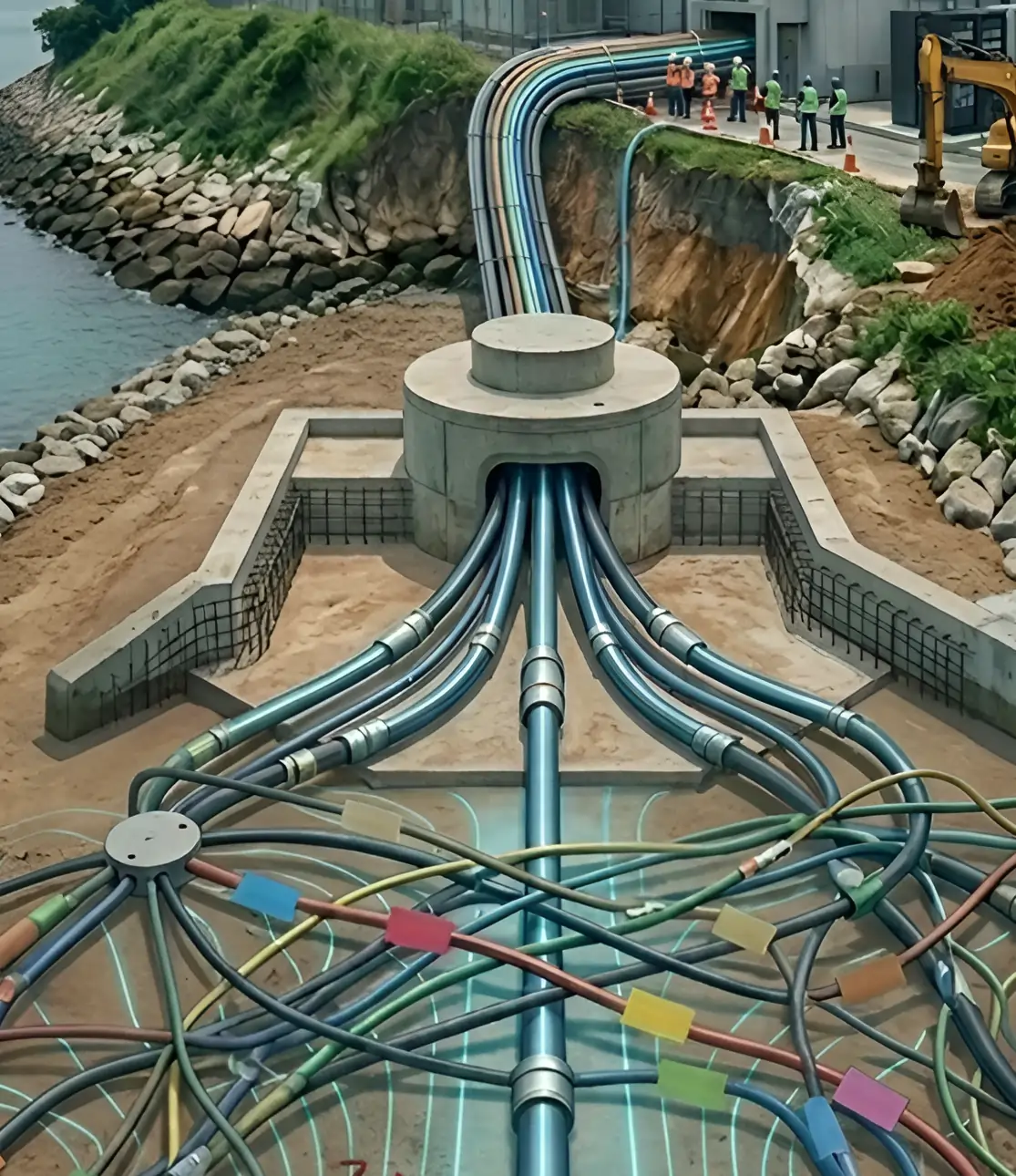
A single engineered landing-to-rack pathway, integrating subsea cable landings with regulated onshore terrestrial infrastructure from shore to core.

Download Technical Overview
Laptop showing business solutions

Coordination Challenges in Subsea–Terrestrial Integration

The problem for Subsea-Terrestrial Integration in Singapore

The Problem:

Modern subsea cable landings require more than capacity. Multi-party coordination, fragmented ownership, and disjointed Data Centre Interconnect (DCI) to Landing Station arrangements introduce operational risk and deployment complexity.

The stakes of having fragmented and disjointed coordination

The Stakes:

When terrestrial integration and activation timelines are misaligned, hyperscale cloud providers and regional carriers face delayed readiness, increased exposure, and reduced operational certainty.

The solution to this problem and having subsea-Terrestrial integration

The Solution:

We provide a unified landing-to-rack pathway managed end-to-end by a single engineering team. One coordinated terrestrial route, clear accountability, and controlled activation from cable landing station to data centre rack.
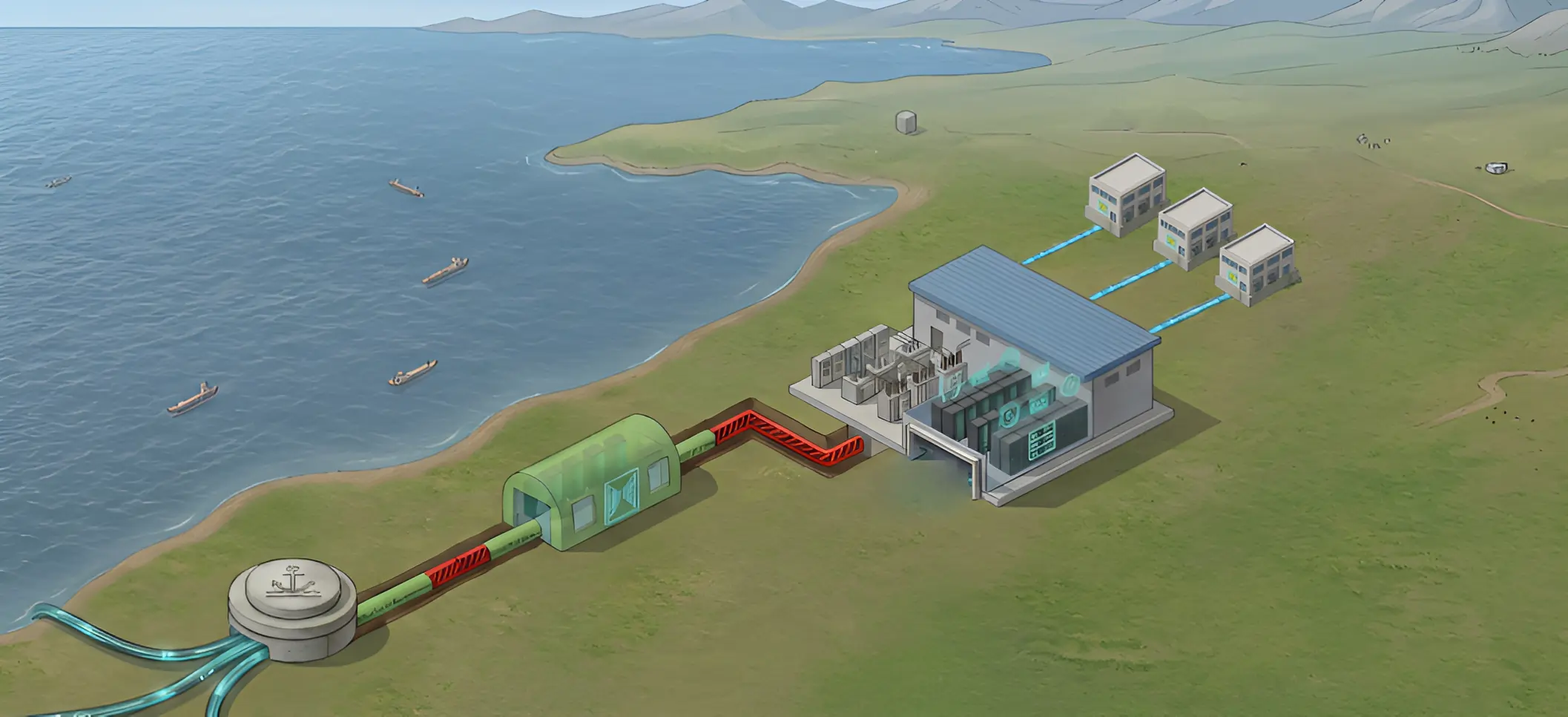


End-to-End Subsea-Terrestrial Integration Lifecycle

From route design and regulatory coordination to fibre deployment and ongoing maintenance, delivered as a single, engineered pathway.

Integrated Operating Model

A unified framework aligning regulatory, civil, fibre and data centre integration under one accountable engineering structure.

Process flow model of the subsea-terrestrial integration Process flow model of the subsea-terrestrial integration Process flow model of the subsea-terrestrial integration

Engineered for 2026 Subsea-Terrestrial Data Growth

Express Routing icon

Low-latency subsea backhaul for high-performance peering.

Express Routing icon

Common Duct Network Singapore integration for rapid deployment.

Express Routing icon

Infrastructure readiness for subsea landings to improve time-to-service.

Express Routing icon

Network redundancy solutions built into every engineered path.


Understanding Subsea-Terrestrial Integration in Singapore

What

An end-to-end infrastructure solution integrating Beach Manholes (BMHs), Common Duct Networks, Cable Landing Stations and Data Centres.

What is Subsea Terrestrial Integration?

Why

To reduce multi-vendor risk and provide engineered route diversity to support traffic driven by AI workloads, machine learning and big data.

Why do we have Subsea Terrestrial Integration?

How

Delivered via a single, IMDA-licensed FBO managing in-house design, construction, and operations.

How is Subsea Terrestrial Integration delivered?

Who

Tailored for submarine cable service providers, consortium participants, and hyperscalers with Singapore landing requirements.

Who is Subsea Terrestrial Integration services for?

Where

Singapore-only coverage across all major regulated onshore terrestrial routes, Data Centres and cross borders.

Where does Subsea Terrestrial Integration take place?

When

From early route design and planning through to final subsea landing in Singapore.

When does Subsea Terrestrial Integration start?

Comprehensive Technical Overview

A detailed breakdown of our engineered landing-to-rack integration pathway.

Download the Overview →

Questions on Subsea-Terrestrial Integration?

Whether you’re planning a new landing, expanding an existing pathway, or simply need clarification on our end-to-end services, our Singapore team is here to help. Reach out, and we’ll provide the insights you need to make informed decisions with confidence.

Talk to Our Singapore Team

0/300